
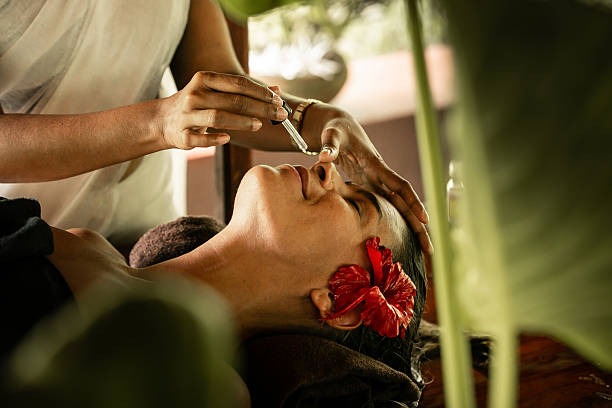
Herbal wellness is a tradition that has been practiced for centuries across the world. It involves the use of natural herbs and plants to promote health and treat illnesses. The foundation of true herbal wellness lies in understanding the healing properties of these herbs and using them effectively.
Healing herbs have been at the core of traditional medicine systems, providing an array of health benefits. They are used to prevent diseases, maintain good health, boost immunity, enhance mental clarity, improve digestion, and much more. From ancient times till today, they continue to be a vital part of holistic healing practices.
Understanding the therapeutic value of each herb is key to achieving optimal results from herbal wellness practices. For instance, Echinacea is known for its immune-boosting abilities while St John’s Wort can help alleviate symptoms associated with depression and anxiety. Turmeric possesses anti-inflammatory properties that can aid in reducing inflammation in various parts of the body. Similarly, Ginseng is renowned for its ability to increase energy levels and reduce stress.
The effectiveness of these healing herbs largely depends on their quality; this includes how they are grown, harvested, stored and prepared. Organic cultivation without chemical pesticides or synthetic fertilizers ensures that these herbs retain their kratom vendors full medicinal potency while minimizing harmful residues.
Moreover, it’s essential to recognize that different parts of an herb may have distinct therapeutic effects. For example, dandelion roots support liver function while its leaves assist kidney function by acting as a diuretic.
Incorporating these healing herbs into our daily routine isn’t complicated either; they can be consumed as teas or tinctures or even included in meals as spices or garnishes depending on one’s preference and requirement.
However important it is to note that while most herbs are safe for general use some may have side effects especially when taken improperly or combined with certain medications hence professional guidance should always be sought before starting any new herbal regimen particularly for individuals with chronic conditions or those on long-term medication.
Herbal wellness is not just about treating symptoms; it’s about enhancing overall health and wellbeing. It encourages a holistic approach to health, considering the physical, mental, emotional and spiritual aspects of an individual. This comprehensive view ensures that all areas of one’s life are addressed leading to balanced living.
In conclusion, healing herbs form the foundation of true herbal wellness. Their therapeutic properties offer natural ways to maintain good health and treat various ailments. However, their use should be guided by knowledge of their specific benefits as well as potential side effects. With this understanding in place, we can harness the power of these remarkable plants for our optimum wellbeing in a sustainable way.


